Why website copywriting cannot be the last step
Good website copy shapes the page, answers customer questions and makes the next step clear. See why writing it after design creates avoidable compromises.
Many business owners can explain their work clearly in conversation. The difficulty starts when that knowledge has to become a homepage, four service pages and a sentence on a button.
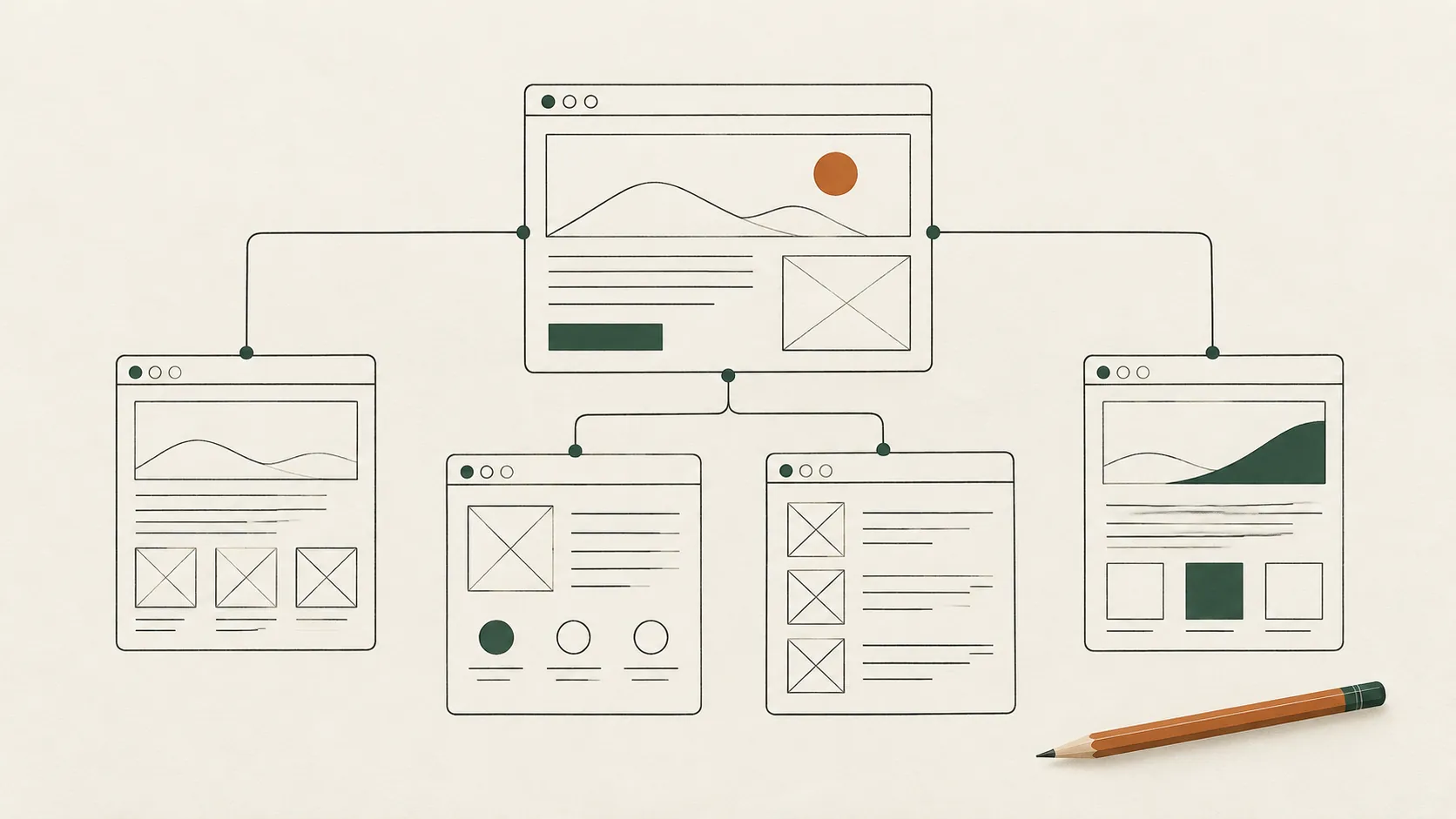
That translation takes more than tidy wording. Someone must decide which information belongs where, what a customer needs first and what can wait. Those decisions affect the shape of the website. Leaving them until after design means asking the words to fit spaces created without them.
Start with what a customer needs to know
A service page should let a potential customer answer practical questions. What is included? Who is it for? What happens after they make contact? What might affect the scope or price? What experience makes this business credible?
The answers will differ by business. A photographer may need to explain what a booking covers. A consultant may need to make an intangible service concrete. A company with several related services may need to show how clients choose between them.
Generic lines about quality and passion do very little of this work. Specific details help people recognise whether the offer fits their situation.
Copy helps determine the page
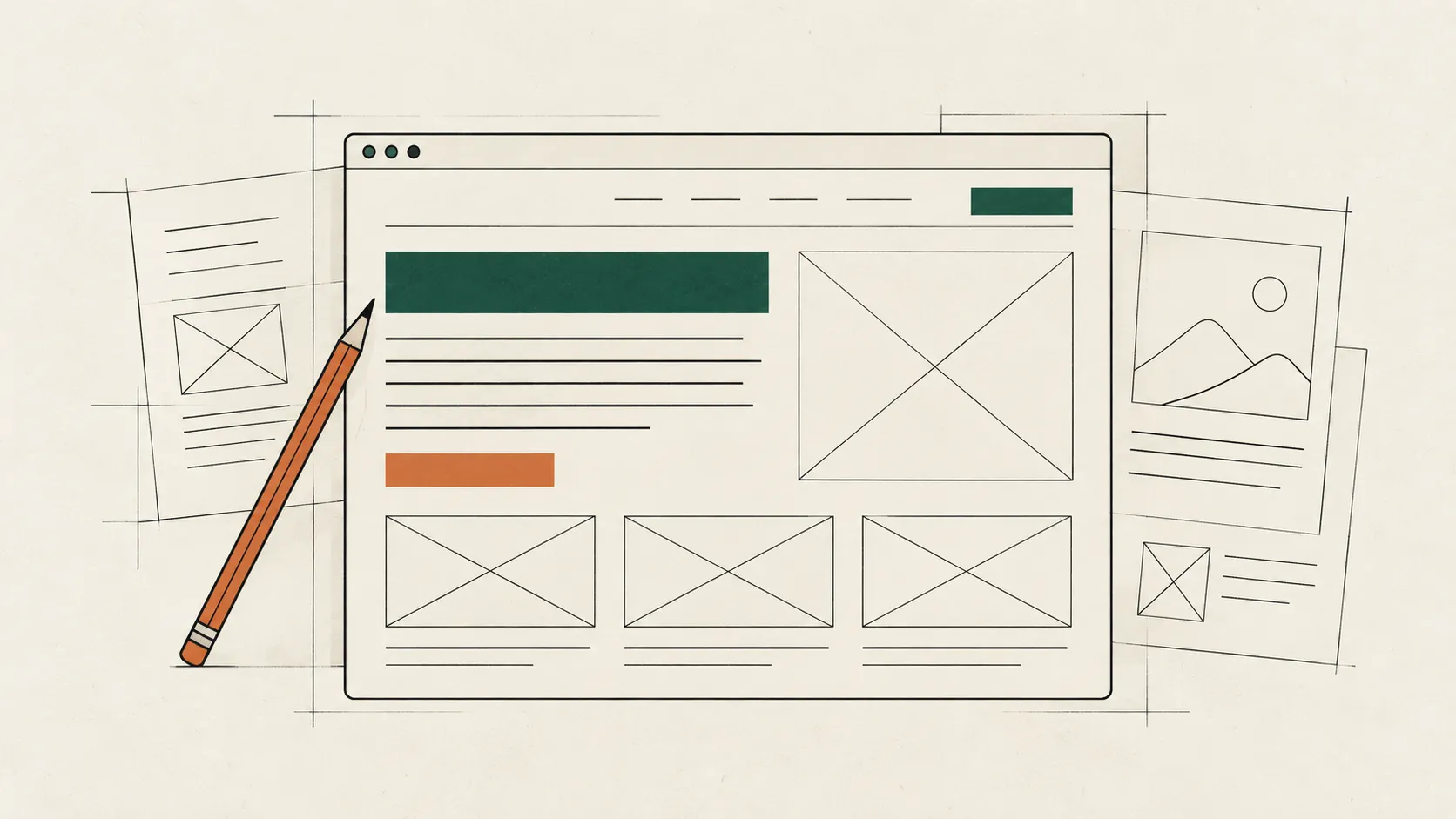
Consider a page with a short introduction, three attractive cards and a contact button. It might look finished. But what if customers need to understand the process, see a previous project or know which parts of the service are optional? The page needs a different structure.
When the key messages are worked out early, design can give each one the right weight. A short explanation can sit near a useful visual. A common concern can be answered before the enquiry prompt. A detailed question can have its own section rather than being squeezed into a card.
This is why copywriting and design work best as connected parts of a project.
Clear writing does not mean writing everything
Longer pages are not automatically more helpful. A page should include enough to support the decision in front of the reader. It should make important points easy to find, use headings that describe what follows and remove repetition that delays the answer.
The contact step deserves the same attention. “Get in touch” is sometimes enough. In other cases, someone needs to know whether the first conversation is about a quote, a consultation or a brief discussion of fit. The words around a form can set that expectation honestly.
A practical test before publishing
Show a draft page to someone who did not help create it. Give them a short time to read, then ask: What does this business offer? Who is the service for? What would you expect to happen after enquiring? What would you still need to ask?
If the answers are unclear, changing the font will not solve the problem. Revisit the message and the page structure first.
Good & Able develops core copy as part of a business website project. We also offer website copywriting when an existing site needs a clearer message and better organised pages. The aim is straightforward: help the right customer understand the work well enough to take the next step.