Technical SEO checklist before a website launch
A practical technical SEO checklist for a new website: titles, internal links, canonicals, redirects, sitemaps and checks to complete before launch.
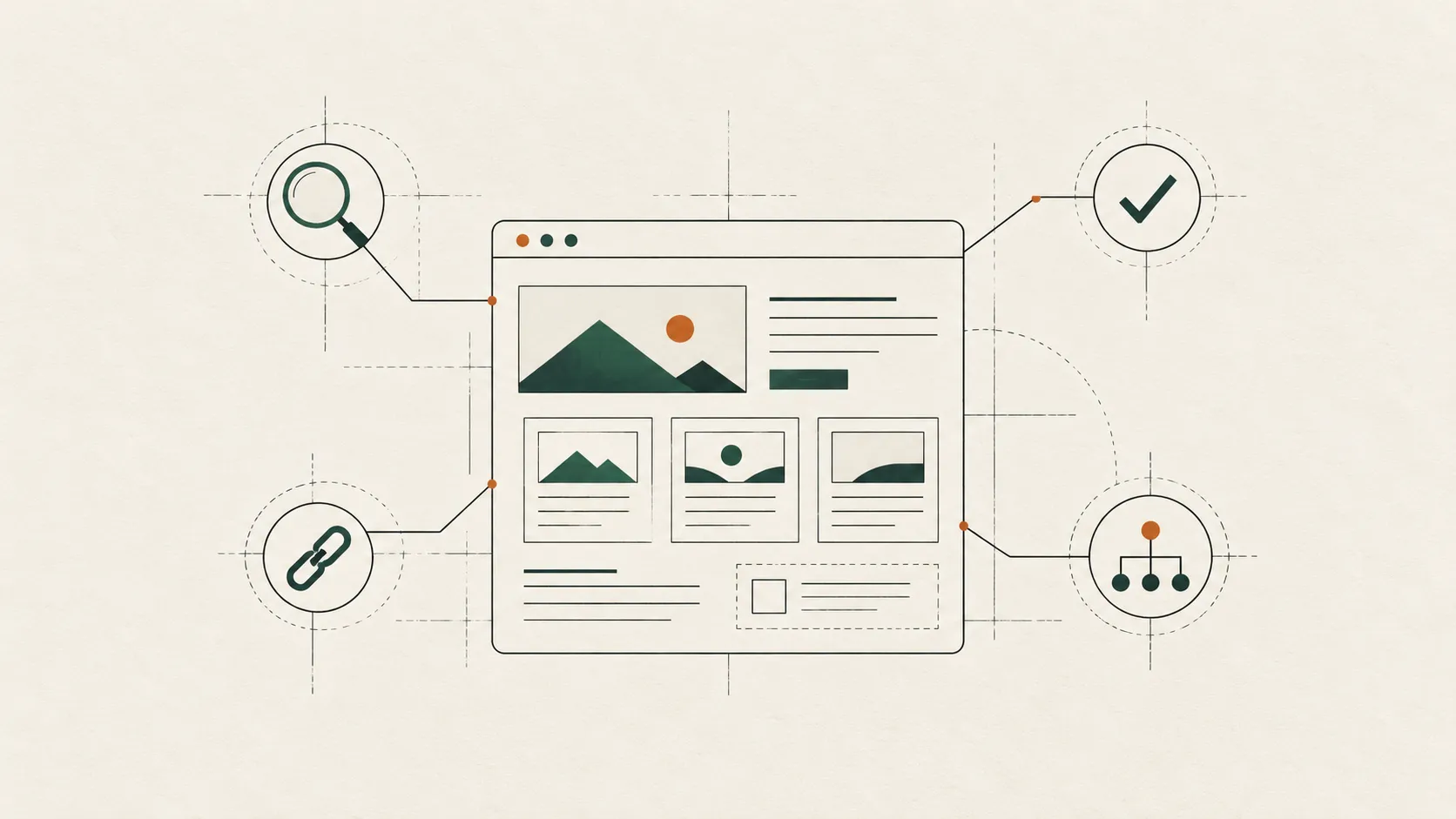
A new website can launch with polished pages and still make basic search tasks harder than they need to be. Important pages may be difficult to discover, old addresses may stop working, or several URLs may present the same content without a clear preferred version.
These are build and launch decisions. They are easier to handle while the pages, content and URLs are being planned.
Give important pages a clear place
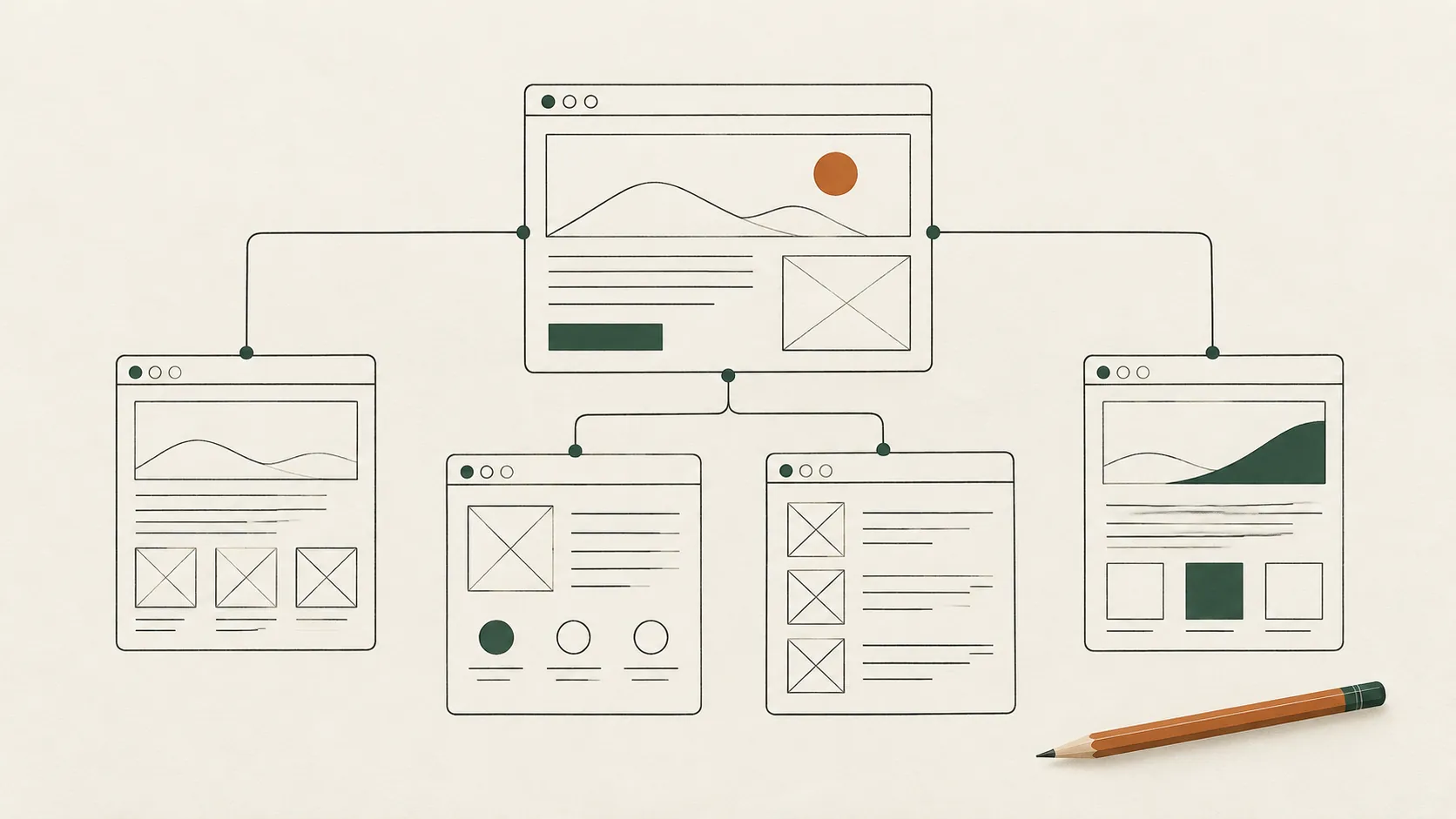
Start with a sensible page structure and links that lead people to the relevant content. A service page should have a descriptive address, a useful page title, a clear main heading and copy that explains the service. Related pages should link to each other where that helps the reader.
This gives visitors a route through the site. It also helps search engines find pages and understand their relationships. Google's SEO Starter Guide recommends useful content, clear titles and relevant links as core practices.
Check what search engines are being told
An indexable page should return successfully and be available to crawlers. Its canonical URL should point to the version you actually want to keep. A sitemap should list the important public URLs. Robots instructions should avoid blocking pages you want crawled. Genuinely private content needs access controls; a robots file cannot protect it.
Metadata matters because it helps describe the page, but it cannot rescue a page that fails to answer the searcher's question. Structured data can supply additional context where it accurately reflects visible content. It should describe what exists; it cannot create a review, service or result that the page does not contain.
Handle old addresses when rebuilding
A redesign or platform change often changes URLs. Record the old addresses before launch, decide which new page answers each old request and put permanent redirects in place where the content has moved.
This helps people following old links reach useful pages. It also avoids making other websites, bookmarks and search results point to dead ends. Check the redirects after launch, alongside navigation and sitemap URLs.
Test the website people will actually use
Review the site on a phone. Check that text and navigation work, images have appropriate descriptions, pages load sensibly and forms can be completed. A fast, accessible page with good structure is a stronger foundation for customers as well as search engines.
After launch, verify the site in Search Console and inspect the pages that matter most. A sitemap helps Google discover URLs, but submission does not guarantee indexing. Search Console shows what Google has actually discovered and reported.
A practical prelaunch checklist
- Important public pages load successfully and are not marked
noindexby mistake. - Each important page has a descriptive title, a clear main heading and a preferred canonical URL.
- Navigation and relevant contextual links lead to the pages people need.
- The XML sitemap lists the intended public URLs and the robots instructions allow those pages to be crawled.
- Old addresses that have moved lead to relevant new pages through permanent redirects.
- Mobile navigation, image descriptions and the enquiry form work on the pages that matter most.
Once the site is live, use Search Console to check Google's reported indexing status and fix actual problems it finds.
Know what the foundation covers
Technical SEO prepares a website to be crawled and understood. Ranking for competitive searches also depends on useful content, relevance, competition, reputation and work that continues after launch. A studio should be clear about which work is included and which requires an ongoing plan.
Good & Able includes technical SEO foundations in its business website builds. Our approach puts page structure and content decisions into the project before launch, so the technical setup supports pages that are worth finding.